
Team: MailFlow
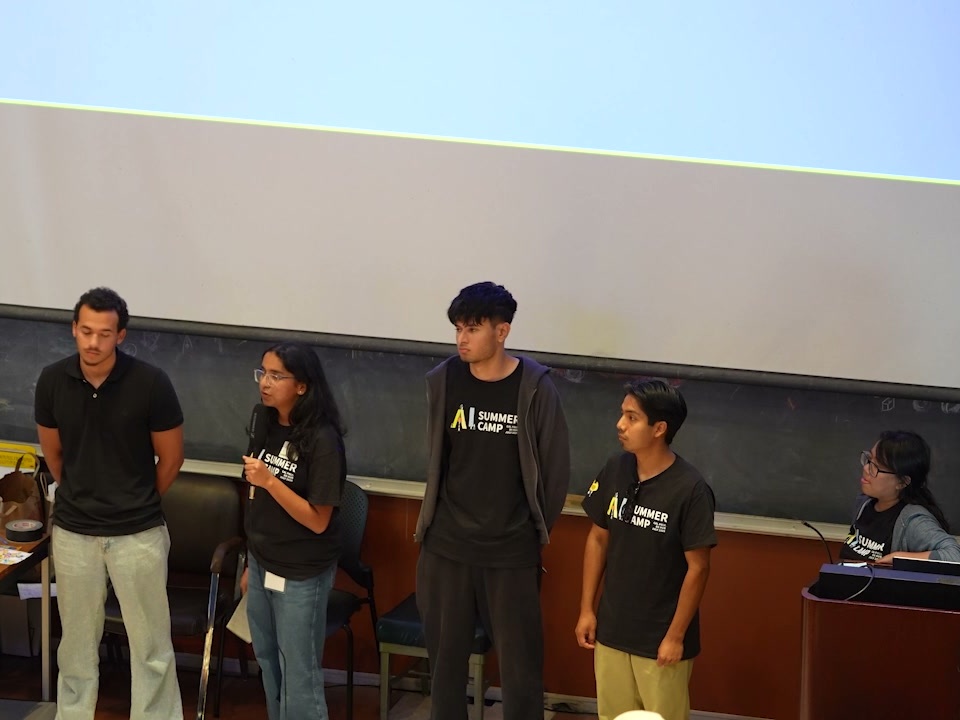
Team Participants:
- Angel Lopez Hernandez
- Maneet Chahal
- Sanchita Modi
- Mostafa Elsharawy
- Lilian Cheng
“Imagine receiving 200 emails per day, and then having to open and read and check every single email and then forward it to the correct person.”
Problem
Foothill-De Anza Accounts Payable staff manually process and route over 100 emails per day arriving at the shared A/P inbox, spending significant time reading, classifying, and directing emails containing contracts, DPRs, invoices, and trip vouchers to the correct staff desk based on email content and PDF attachments. This manual sorting process delays invoice processing and payment cycles, preventing A/P staff from focusing on timely vendor payments and creating a persistent backlog of pending items in the shared inbox. The high volume of incoming emails requires continuous monitoring and creates bottlenecks during peak periods, while manual classification is prone to routing errors that further delay payment processing. Without automated triage, A/P staff spend valuable hours on email management rather than core financial processing responsibilities.
Technical Solution
The MailFlow team developed an AI email triage and routing system that automatically reads unread mail in the shared A/P inbox and classifies each message from its subject line, sender, a short preview of the body, and the names of its PDF attachments. The solution leverages AWS Lambda for serverless processing, Amazon Bedrock (Amazon Nova Pro by default) for email classification and routing decisions, Amazon S3 for storing message metadata and PDF attachments, and Microsoft Graph API for reading the shared inbox and auto-forwarding messages to the appropriate staff desk with minimal human intervention. The routing prompt encodes the desk rules the A/P team uses today, recognizing document types such as trip vouchers, direct pay requests, and service invoices and splitting the remainder by vendor or requester name, while messages that match no desk are classified for follow-up instead of being forwarded blindly. The system aims to drive pending items in the shared inbox toward zero, freeing A/P staff to focus on invoice processing and timely vendor payments rather than manual email classification and routing.
Showcase
| Presentation Recording | A recording of AI Summer Camp students presenting their project. |
| Slideshow | The accompanying slides shown in the video. |
| Source Code | All of the code and assets developed during the course of the AI Summer Camp. |
About the DxHub
The Cal Poly Digital Transformation Hub (DxHub) is a strategic relationship with Amazon Web Services (AWS) and is the world’s first cloud innovation center supported by AWS on a University campus. The primary goal of the DxHub is to provide students with real-world problem-solving experiences by immersing them in the application of proven innovation methods in combination with the latest technologies to solve important challenges in the public sector. The challenges being addressed cover a wide variety of topics including homelessness, evidence-based policing, digital literacy, virtual cybersecurity laboratories and many others. The DxHub leverages the deep subject matter expertise of government, education, and non-profit organizations to clearly understand the customers affected by public sector challenges and develop solutions that meet the customer needs.